Is an emergency tarp a permanent roof repair?
No. It is temporary protection meant to reduce water entry until weather and scheduling allow the permanent repair to be inspected and priced.
Emergency roof repair is for active water entry, exposed decking, torn-off shingles, limb impact, water near electrical fixtures, or a storm opening that cannot wait for a normal appointment. Call (832) 769-5590 and describe what is happening inside before anyone tries to diagnose the roof from the ground.
During tropical rain, water can move quickly across attic insulation and along ceiling joists. A small visible drip may be connected to a much larger wet area above the drywall. The first goal is to slow damage safely, not to complete a final repair while weather is still moving through.
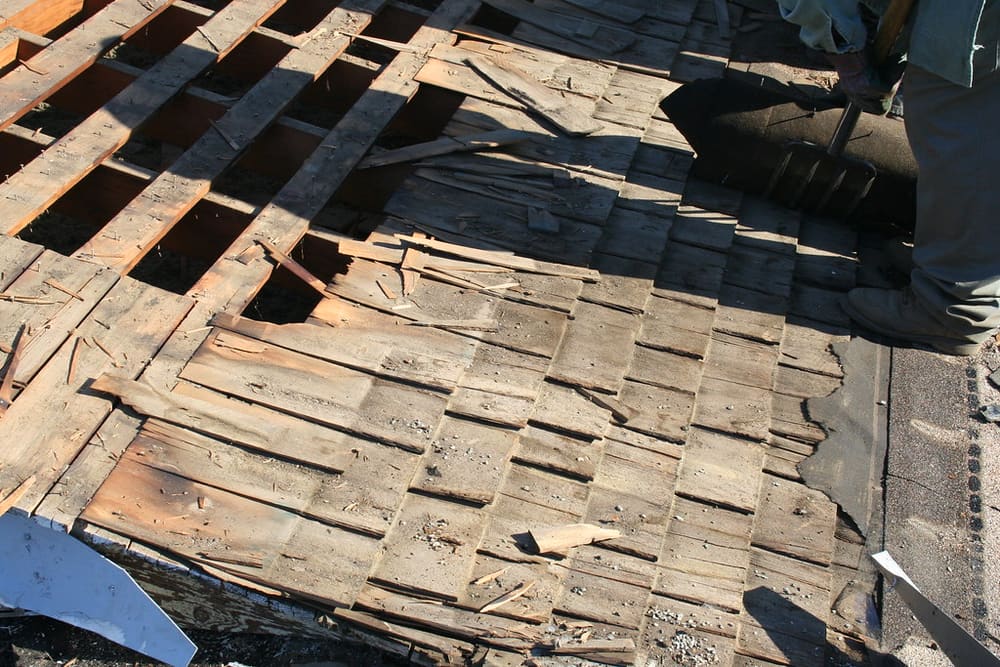
The emergency visit may involve a tarp, temporary seal, board-up, or other dry-in work that protects the house until the roof can be repaired properly. That temporary work should be described as temporary. The permanent quote comes after conditions allow a safer inspection of shingles, flashing, decking, and interior water paths.
Emergency tarp and dry-in work around Pearland is commonly in the $300-$850 planning range, depending on roof height, access, slope, weather, and opening size. A large storm can create a queue, so clear information about active water helps triage the schedule.
After a named storm, widespread hail, or a violent thunderstorm line, the first calls are usually active leaks and open roof surfaces. Less urgent inspections may be scheduled after dry-in requests. The contractor should be clear about timing, safety limitations, and whether material availability affects the permanent repair.
If an insurance claim may be involved, keep photos and invoices for the dry-in. The contractor can document damage and meet an adjuster later, while Texas deductible-law rules still apply.
No. It is temporary protection meant to reduce water entry until weather and scheduling allow the permanent repair to be inspected and priced.
Response depends on safety, access, lightning, wind, and call volume. The phone triage helps decide whether immediate dry-in is possible or whether the roof must wait until conditions improve.
Share your address, roof type if known, where water is showing inside, whether shingles are missing, and what storm or impact happened before the leak.
Pearland Roof Pros
(832) 769-5590Emergency scheduling starts with what is happening inside the home right now.